
By Omer Shamil, Opinions Editor
This article originally appeared on pages 12 to 13 of the Sept. 2026 edition of The Gettysburgian magazine
To some, perhaps most, Servo seems to change every time we spend a few moons away from it. Servo has seen us change as well. It has seen us through Thanksgiving dinners and the weeks when campus life gets the best of us. Students leave for summer and return older, perhaps wiser and certainly with different schedules, worries and appetites. Through it all, Servo remains lovable, even if it is rarely exactly how we left it.
This semester, one change is especially hard to miss.
Dining Services replaced the former yogurt and salad bars with a centralized cold bar combining the yogurt, salad and deli stations. Somewhere along the way, students gave it another name: the squircle.
Square + Circle = Squircle
The squircle has changed more than where students find yogurt. Its placement, along with the grill’s move toward the sauté line, has changed how students move through Servo. Lines that once had their own directions now bend toward and through one another. Getting food from one station can mean navigating the people waiting for another. In a strange way, Servo has become more social, if only because avoiding one another has become harder.
Lucas Pacuraru ’27 said, “I don’t like the new set up,” and “I can’t reach my carrots, as a tall person I would want to walk into the squircle.”
It is a strangely specific complaint, which may be why it captures the change so well. Students spend enough time in Servo that much of the room becomes instinct. Move a station, redirect a line, and suddenly something that once felt automatic demands attention. The changes, though, were not made simply for the sake of changing Servo.
Dining Services said the former salad and yogurt bars had significant mechanical issues and needed to be replaced. The new cold bar lets employees replenish food from behind the station, which Dining says reduces interruptions while increasing variety and product availability. The new station may very well be more efficient. The question is what efficiency looks like from different sides of the counter.
For Dining employees, it can mean replenishing food without interrupting service. For a student in the lunch rush, it might mean reaching one station without finding another line in the way. Neither experience makes the other untrue.
Not every consequence has been unwelcome. “I personally like the cottage cheese at the new yogurt stand.” Kelly McVeigh, ’30, said.
Some of what feels wrong now may simply be unfamiliar. But getting used to something and deciding that it works are not the same thing. If the lines become easier to navigate as students learn the room, that tells one story. If students are still weaving between the grill and sauté months from now, that tells another.
That leaves questions worth asking. Was student traffic considered alongside the operational benefits of the new station? Was moving the grill toward sauté necessary? What did the replacement cost, and what were the alternatives? Once Dining has watched the new layout during its busiest periods, will anything need to change again? These questions do not make the squircle a mistake. They are part of asking what the change accomplished.
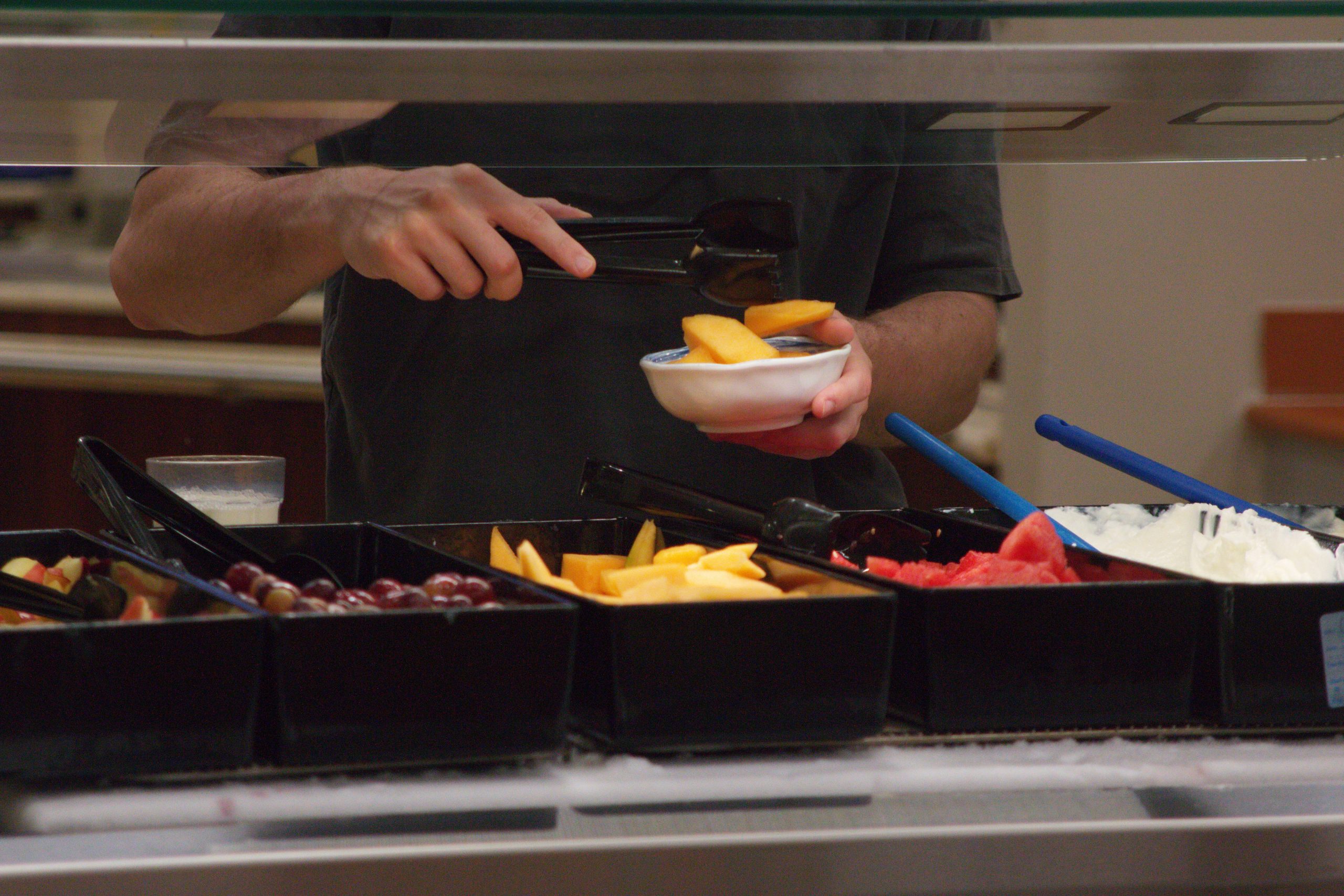
(By John Sheesley/The Gettysburgian)
Still, efficiency has never really been why students become attached to Servo. Servo gives us something harder to measure. It is breakfast before an early class and dinner after a long one. It is Thanksgiving tables and special dinners, running into someone you had not planned to see and sitting down with someone you had. It is knowing that, however the day went, there will be food waiting downstairs. It is abundance, familiarity and the freedom to build a meal no reasonable restaurant would ever put together for you.
“I drank 3 glasses of chocolate milk, a glass of water and a plate of servo chilli mix with queso mixed with salsa mixed guacamole on top of waffle fries and the cherry on top was the cherry pie, it was a large quantity of food, I ate till I felt sick, I would do it all over again.” Emmett Sun ’27 said. “I can’t wait to try their crème brûlée.”
Somewhere in those two statements is part of what Servo gives its students: choice, comfort, excess and occasionally the freedom to make a decision you regret before immediately planning the next one. It is also why students care enough about Servo to have opinions about where its grill goes.
Maybe that affection is why small changes become so noticeable. Servo belongs to Dining Services, but it also belongs to the routines students build around it. Moving one station changes an operation. It also changes a place people have learned through repetition. The squircle is hardly among the greatest questions facing Gettysburg College. But even a small change can leave worthwhile ones behind: Why was something changed? Who does it help? What was gained? What was lost? And once the consequences become visible, is there room to change it again?
Eventually, the squircle may stop being the squircle. For first-year students, it may simply become Servo. They have no old version of the room to compare it with. For everyone else, the lines may settle as old habits give way to new ones. Or the congestion may remain. Servo will keep changing, just as the students passing through it will. Not every change should be resisted because it is unfamiliar, nor does every change become successful because enough time has passed. What matters is asking what was gained, what was lost and whether the place still works for the people using it.
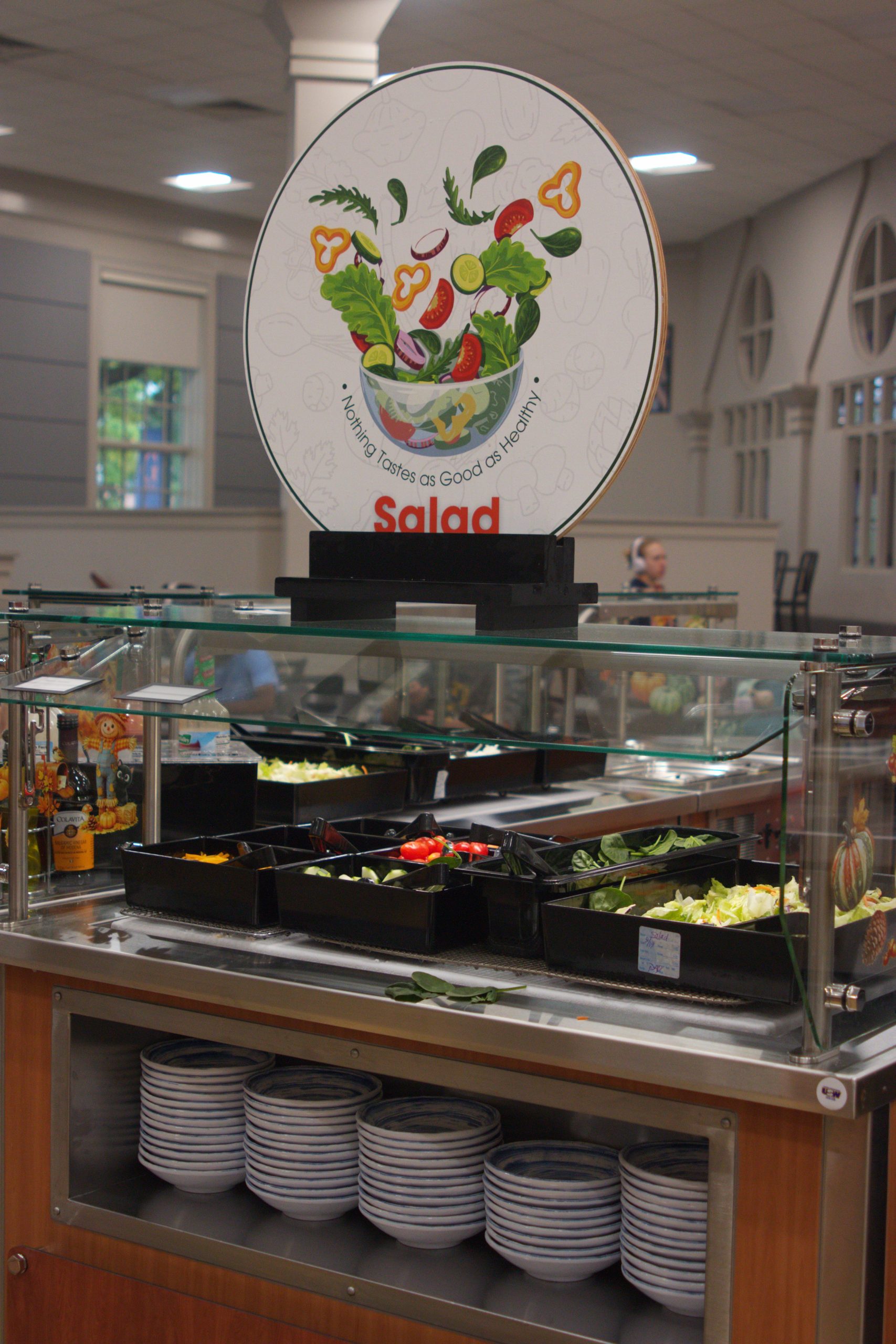
(By John Sheesley/The Gettysburgian)


